Let the Room Talk: Why Intentional Candid Coverage Beats a Stiff Shot List
There is a moment at nearly every event when someone says, 'Okay, everyone get together for a group shot.' The lineup happens. People smile. Someone blinks. Then everyone drifts back to the real event. The lineup is not the problem. The problem is when it becomes the whole story.
A great event gallery should feel like walking back into the room. You should hear the toast, see the handshake, and remember the aunt who laughed so hard she had to set down her drink. That does not happen by accident, and it does not happen because a photographer fired off a thousand frames and hoped for the best. It happens because candid coverage was intentional.
A lineup is a receipt, not a story
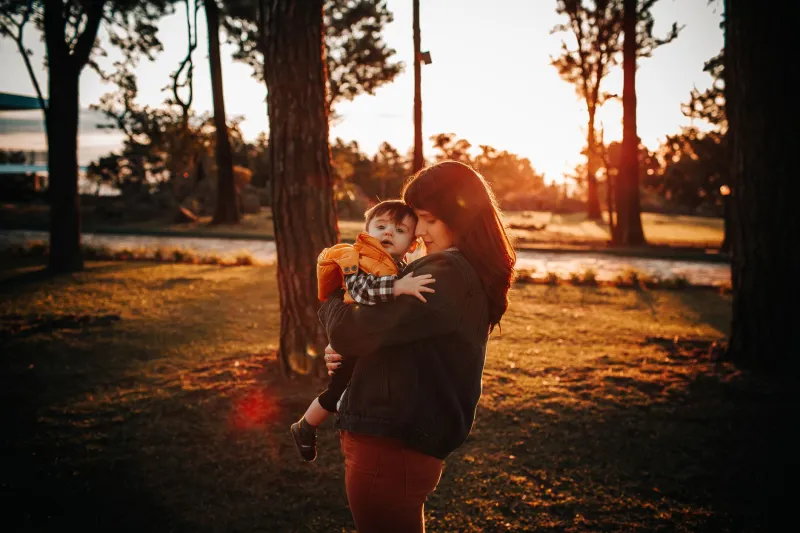
Staged photos have a job. They prove who was in the room, and they give families and companies the group image they will use for years. I am not arguing for a ban on lineups. I am arguing against treating them as the main event. If your gallery is only lineups, you have a receipt, not a story. The story is the flower girl peeking around the table, the CEO laughing at a bad joke, the volunteer handing a box to a neighbor, the couple stealing ten seconds alone in the hallway.
Candid coverage is not spray-and-pray
Let us kill a myth: candid does not mean random. It means knowing the run of show, watching the room, anticipating the toast, and being in the right place when the moment lands. A photographer who understands candid work is not hiding in a corner hoping something happens. They are reading the schedule, tracking the light, and learning who matters to whom. That is craft, not chaos.
Brief your photographer like a producer
Bring your photographer into the plan early. Share the schedule, the names of key people, the VIPs, the family dynamics that should be handled with care, and the moments you would hate to miss. If there is a surprise award, a grandmother flying in from out of state, or a tradition that matters, say so. Do not hand over a sixty-shot list and disappear. A good brief gives the photographer context. A bad brief gives them a script they are afraid to deviate from.
Build a shot list in tiers
A realistic shot list has tiers, not a teleprompter. Tier one is the must-have material: the couple, the speakers, the award, the venue, the group photo. Tier two is the nice-to-have material: details, candid groups, dance floor, table reactions. Tier three is the do-not-need list: repetitive poses, forced gags, or anything that makes people feel like props. Ask your photographer, 'What would make you say this event felt like us?' Then give them room to answer with their eyes.
Lighting is part of the atmosphere
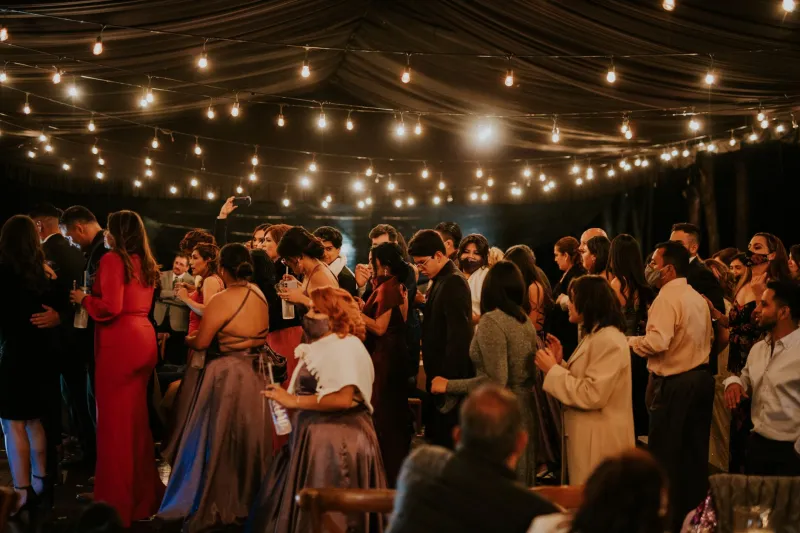
Weddings bring mixed tungsten, DJ lights, candles, and windows that go dark fast. Corporate events bring fluorescent panels, projection screens, and stage lighting that can turn a face green. Community gatherings bring gym lights, church basements, and potluck halls. A photographer has to work with what the room gives them. Fast lenses, careful bounce flash, and an exposure that protects faces without nuking the mood all matter. Do not demand that every frame look like noon in a studio. Some motion and some grain are honest. The goal is atmosphere, not a sterile audit of the room.
Good candid work requires manners and geography
A candid photographer should read the room, not interrupt it. That means using longer lenses when appropriate, moving along the edges, asking permission for close emotional moments, and respecting boundaries. It means working with the planner, the venue staff, and the DJ instead of blocking their sightlines or tripping the caterer. The best candid images often come from a photographer who knows when not to be the center of attention.
Choose pictures that breathe
Editing is where the story gets made. A strong event edit moves between wide shots, medium moments, and close reactions. It includes details, but not thirty versions of the same toast. It includes imperfect frames if they carry feeling. A gallery should have rhythm. When you review your images, ask whether the set feels like the day. If you only recognize the poses, the story is missing.
Weddings, corporate events, and community gatherings need the same thing
Different rooms, same rule: context. A wedding needs the ceremony, but it also needs the quiet look between the couple before they walk in. A corporate event needs the keynote, but it also needs the side conversation that shows the team actually likes each other. A community gathering needs the ribbon cutting, but it also needs the kid in the front row and the longtime volunteer wiping down a table. Those are the images that carry the atmosphere.
What to ask before you book
Ask about candid philosophy, low-light experience, backup gear, turnaround time, second shooters, and how the photographer handles a shot list. Get the important details in writing. Do not demand every raw file; ask for a story edit. The lineup photo has its place. Just do not let it be the only thing you remember.