Brant Smith Photography Portraits, events, and stories from behind the lens

Brant Smith Photography

Portraits, events, and stories from behind the lens

Latest Articles

Carry Less, Notice More: The Fixed-Lens Case for Event Coverage
Event Photography

Carry Less, Notice More: The Fixed-Lens Case for Event Coverage

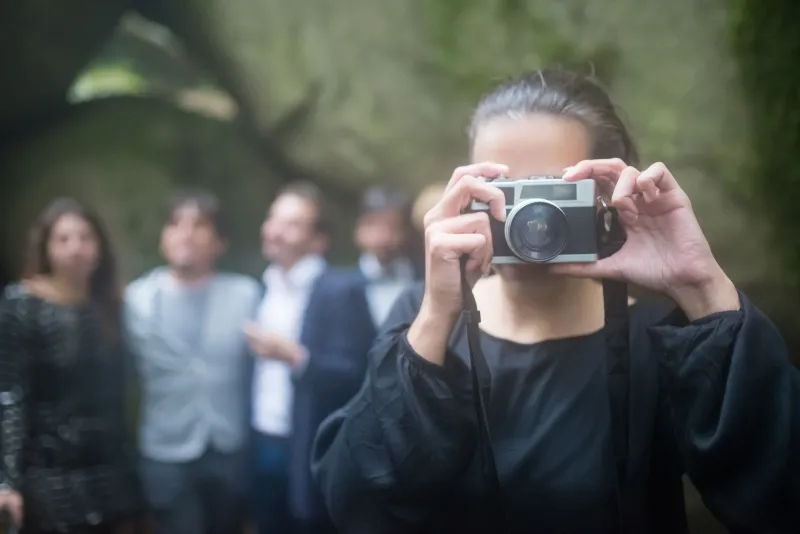
A fast prime lens won't reach every corner of the room, and that's part of the point. Here's why I often shoot entire events on one fixed focal length, what it changes about the way I work, and how it can lead to stronger, more cohesive coverage for clients.

The Ten-Minute Window: A Realistic Plan for Portrait Sessions With Pets
Portrait Sessions

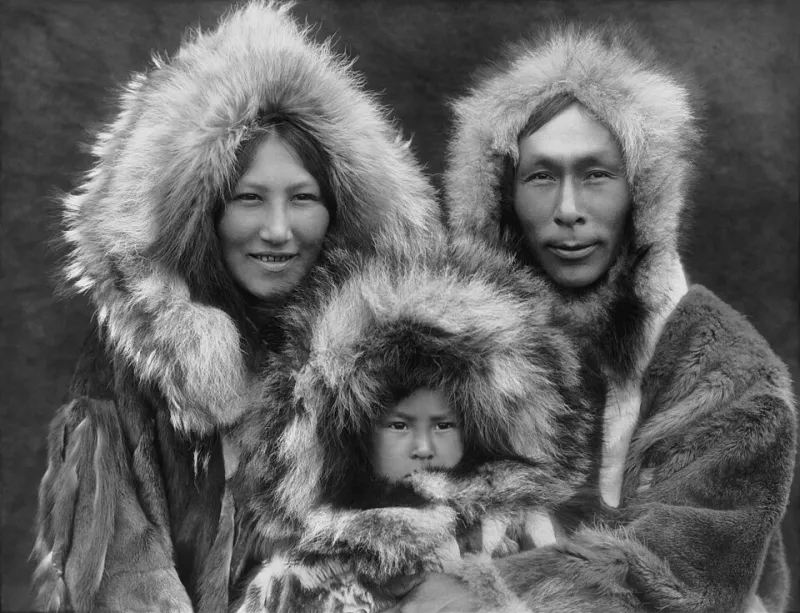
The Ten-Minute Window: A Realistic Plan for Portrait Sessions With Pets

Pets do not hold poses, and that is fine. This is the calm, low-pressure approach I use for family and personal-brand sessions that include a dog or cat—built around short windows, real treats, and images that still look like your actual life.

The Frames I Leave in the Room: A Working Philosophy of Event Restraint
Event Photography

The Frames I Leave in the Room: A Working Philosophy of Event Restraint

Some of the most important decisions I make at an event happen with the camera down. Here’s why I deliberately skip certain moments—and how that restraint tends to produce a gallery clients trust more, not less.

The Frame That Doesn’t Ship: A Privacy Pass for Event Galleries
Event Photography

The Frame That Doesn’t Ship: A Privacy Pass for Event Galleries

A strong event photo can still be the wrong photo to publish. Here’s the privacy review I run before any gallery goes out, plus plain-English language for talking with clients about the frames that stay in the archive.

Nobody Blinks on Cue: A Field Plan for the Fifty-Person Portrait
Event Photography

Nobody Blinks on Cue: A Field Plan for the Fifty-Person Portrait

Fifty people, one frame, and a venue coordinator who needs everyone back at the reception in ten minutes. Here is the practical pre-shoot plan I use to keep a big group portrait calm, quick, and genuinely usable.

Dress for the Light, Not the Mirror: A Portrait Wardrobe Sit-Down
Portrait Sessions

Dress for the Light, Not the Mirror: A Portrait Wardrobe Sit-Down

Most clients open with 'What should I wear?' and expect a list of rules. The better move is a short conversation about texture, necklines, color, movement, and comfort — the things that actually show up in the frame. Here is how I run that talk before a portrait session, plus a US-friendly checklist and three phrases I have retired.

Start With the Hands: A Portrait Plan for People Who Freeze Up in Front of a Lens
Portrait Sessions

Start With the Hands: A Portrait Plan for People Who Freeze Up in Front of a Lens

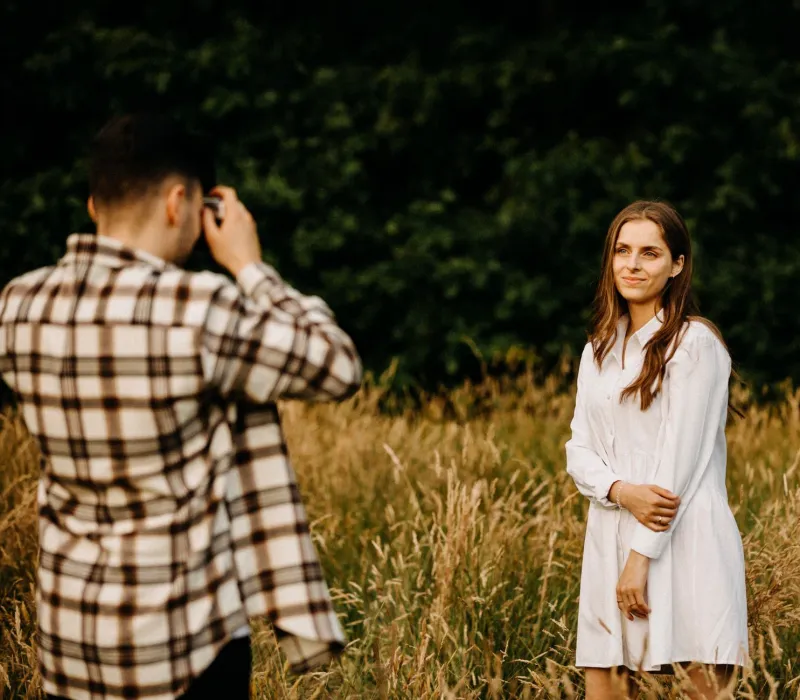
Some clients would rather reorganize the garage than sit for a portrait. This is the low-pressure sequence I use to get them from “please don’t point that at me” to a frame they actually like — no forced cheer required.

The Quiet Signal: Giving Hands Something to Do in Portraits
Portrait Sessions

The Quiet Signal: Giving Hands Something to Do in Portraits

Hands are often the first thing clients apologize for and the last thing we pose. This behind-the-lens guide shares simple, repeatable hand prompts for standing, seated, and event portraits, plus why a small adjustment can change the entire expression.

Three Frames, One Face: The Portrait Set That Works From LinkedIn to the Stage
Portrait Sessions

Three Frames, One Face: The Portrait Set That Works From LinkedIn to the Stage

A single headshot can get you in the door, but it cannot tell the whole story. Here is how to build a small, consistent portrait set—anchor, working, and environmental—without turning your session into a costume parade.

What to Ask an Event Photographer Before You Sign (So You Don’t Get 300 Podium Shots)
Event Photography

What to Ask an Event Photographer Before You Sign (So You Don’t Get 300 Podium Shots)

Booking event coverage is less about finding a pretty portfolio and more about hiring for the photos your team will actually need on Monday. Here are the questions I wish every client asked before signing — usage rights, low-light experience, candid balance, and how to brief the moments that matter.

When the Sky Has Other Plans: Building a Rain Plan Into Outdoor Portrait Sessions
Portrait Sessions

When the Sky Has Other Plans: Building a Rain Plan Into Outdoor Portrait Sessions

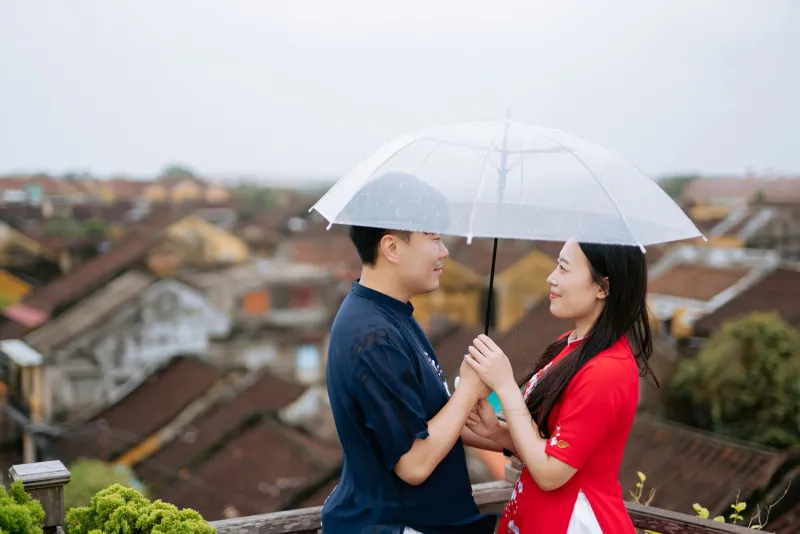
A forecast isn’t a verdict, and a rain plan isn’t a failure. Here’s how I scout covered locations, set expectations early, and use overcast light so outdoor portrait sessions feel calm—even when the radar looks dramatic.

Cleanup, Not a New Face: Where I Draw the AI Line in Portrait Retouching
Post-Production

Cleanup, Not a New Face: Where I Draw the AI Line in Portrait Retouching

AI retouching can remove a blemish in seconds—and a person’s whole recognizable face just as fast. Here’s the line I hold in 2026, how I explain it to clients, and why knowing when to stop has become part of the service.

Walk In Early, Read the Room: A Quick Light Map for Event Days
Event Photography

Walk In Early, Read the Room: A Quick Light Map for Event Days

Before the first guest checks a coat or finds the bar, a venue is just a room full of clues. Here is the five-minute walkthrough I use to map window light, ceiling height, color temperature, and the places where flash will actually earn its keep.

The Frame They Keep Coming Back To: A Better Way to Run Portrait Proofing
Portrait Sessions

The Frame They Keep Coming Back To: A Better Way to Run Portrait Proofing

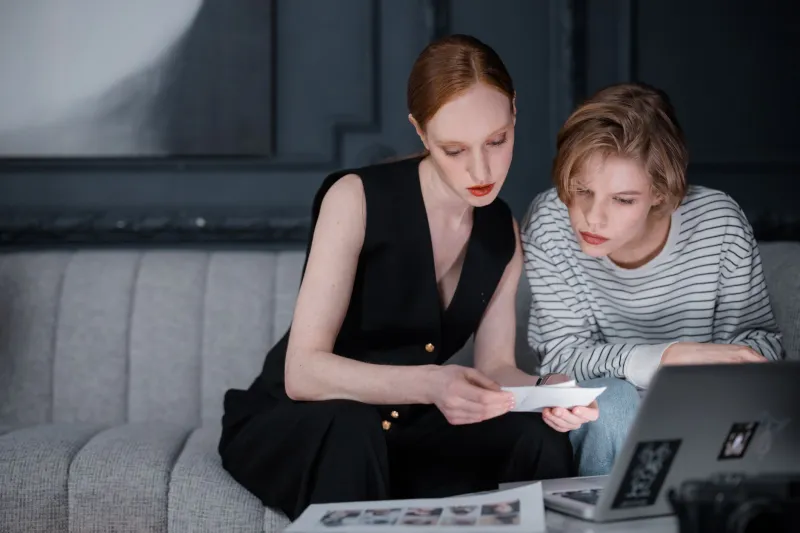
The proofing session is not a test where clients pick the objectively best smile. It is a guided conversation about which frame feels like them today, next year, and on the wall. Here is the framework I use to make that choice easier.

The Object in the Frame: Portrait Sessions Built Around One Thing That Matters
Portrait Sessions

The Object in the Frame: Portrait Sessions Built Around One Thing That Matters

A single meaningful object can unlock a portrait session. Here is how I invite clients to bring one, put it to work without turning the shoot into a still life, and build images that feel like visual stories rather than standard headshots.

Ten Minutes, One Good Headshot: Running a Team Photo Day Without the Waiting-Room Gloom
Event Photography

Ten Minutes, One Good Headshot: Running a Team Photo Day Without the Waiting-Room Gloom

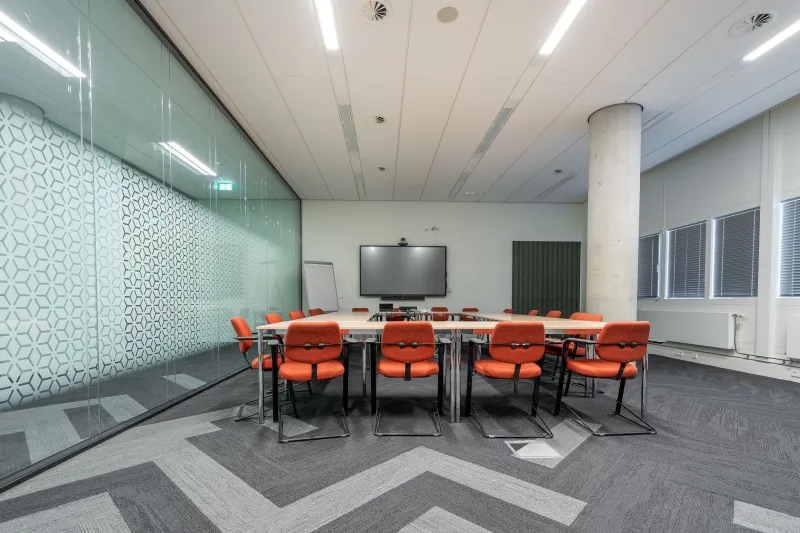
An on-site team portrait day does not have to feel like a DMV line. Here is the practical system I use to light a bland conference room, move people through efficient ten-minute slots, and deliver headshots employees will actually use.

Your Phone Already Got It. Here's What It Didn't Get.
Event Photography

Your Phone Already Got It. Here's What It Didn't Get.

Modern phones and AI-assisted edits have made a decent image almost free. That's a convenience win, not a replacement. An honest look at what a snapshot captures, what it misses, and how to know which moment you're in.

Fifteen Minutes, One Full Story: Mini-Sessions That Don't Feel Like a Sample Platter
Portrait Sessions

Fifteen Minutes, One Full Story: Mini-Sessions That Don't Feel Like a Sample Platter

Short sessions get a bad rap, and some of it is earned. Here's the timeline, shot sequence, and delivery habits that let a 15-minute portrait slot read like a complete story instead of a rushed preview.

The Gallery Is Not the Finish Line: Making Event Photos Work After Delivery
Event Photography

The Gallery Is Not the Finish Line: Making Event Photos Work After Delivery

Event coverage does not end when the gallery link lands. It ends when the photos do useful work. Here is a practical handoff guide for planners, marketers, and families who need to turn hundreds of event images into hero shots, story sequences, social crops, press-ready files, and clear usage permissions.

What the Walls Are Doing to Your Skin: A Portrait Location Walkthrough
Portrait Sessions

What the Walls Are Doing to Your Skin: A Portrait Location Walkthrough

A room starts coloring your portrait long before the camera comes out. This walkthrough shows how walls, windows, floors, and nearby surfaces shape skin tones, plus a practical scouting checklist for photographers and a plain-English way for clients to choose a location that flatters everyone in the frame.