The Venue Didn’t Pose for You: Shooting the Space That Made the Night
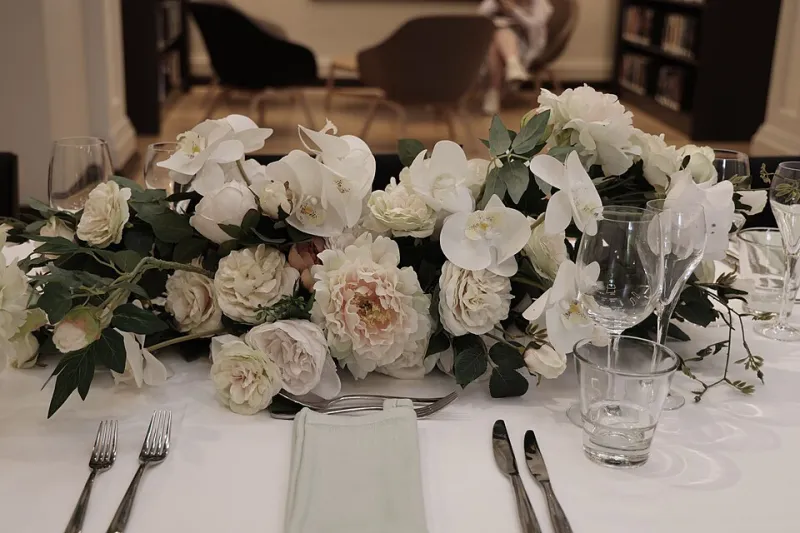
Photo: Bhullargraphic, CC BY-SA 4.0, via Wikimedia Commons
Most event galleries are built around faces. And that makes sense: people are the reason everyone showed up. But after a few years of delivering galleries, I’ve noticed something. The frames clients come back to are not always the biggest smiles. Sometimes they are the ones that show the room.
A bride remembers the sign lettered with her new last name. A nonprofit director remembers the museum atrium where donors spilled out of cocktail hour. A retiree remembers the banquet hall’s terrible carpet because it was the same carpet from every office party. Those details do something a tight crop of a handshake cannot: they put you back in the room.
That is why I treat the venue as a supporting character, not background clutter. It needs its own short session, its own shot list, and a little restraint.
The Frames Clients Forget They Want
Ask a client what they want photographed and you’ll hear the usual list: candid moments, group shots, the speeches, maybe the dessert table. Nobody says the wayfinding sign. Nobody says the centerpiece. But those are the frames that orient a gallery. They tell you where the night happened, not just who was there.
The details I look for are rarely glamorous. They are specific. The event name on a sponsor board. The seating chart with names in tiny print. The table number that marked where your college friends got stuck. The menu card, the favor, the flower arrangement that looked nothing like the Pinterest board. The bar before the first rush. The stage before the first speech. The empty dance floor that will be full in an hour.
Those images do quiet work. They give the rest of the gallery a floor plan.
A Short Venue Pass Before Doors Open
I try to arrive early enough for a fifteen-minute venue pass. Not an hour of architecture photography. Just a focused walk with the camera before guests fill the space. Twelve to twenty frames is usually plenty.
Here is the lightweight list I keep in my head:
- The arrival: exterior, entrance, marquee, event sign, or whatever tells a guest they are in the right place.
- The front table: check-in, name tags, seating chart, sponsor signage, program cards.
- Two room wides: one from the doorway, one from the opposite corner. Different angles keep the room from feeling like a single postcard.
- One table setting at eye level: place card, menu, centerpiece, favor. Get close enough that the details read.
- The architectural anchors: chandelier, windows, brick wall, mural, stage, dance floor, that weird column nobody planned around.
- Service areas before the crowd: bar, buffet, coffee station, dessert table.
- One human-scale setup frame if it is available: hands placing linens, a staff member lighting candles, a volunteer arranging programs.
Keep it light. This is not a real estate listing. You are making memory anchors, not documenting the building for insurance purposes.
Balance Rules That Keep Place in Its Lane
Environmental frames should answer where and when, not compete with who. If the room starts hogging the gallery, the event feels empty even when it was packed.
I aim for something like eight to twelve percent of the final gallery. That is enough to establish place without turning the client’s party into a venue tour. The people still carry the story. The room just gives it a setting.
A few rules help:
- Shoot the room before the program starts, when wides are clean and you are not blocking anyone’s view.
- During the event, use wide frames with people in them to bridge sections. A shot from the back of the room during a toast can do both jobs.
- Skip the repetitive stuff. Three nearly identical table shots are not more useful than one good one.
- If a frame could belong to any event in any city, it probably is not doing its job.
Why These Frames Get Better With Time
Faces change. Rooms stay weirdly specific. That is why environmental frames often become anchors later. The sign with the date. The table where everyone squeezed in. The stage that looked small until the CEO walked out. The hallway where people escaped the speaker.
For corporate clients, place frames also carry information. They show scale, brand, and production value. For families and couples, they carry atmosphere. The photo of table seventeen may not mean much to me, but it means something to the people who sat there.
And for the client who swears they do not care about venue shots, give it a year. The gallery they skimmed in week one becomes the one they open on an anniversary or a company milestone. The room is part of the guest list, even if it never gave a speech.
Editing and Delivery: Give the Room Its Own Chapter
Do not bury the venue frames at the bottom of the gallery. Open with three to five establishing shots, then use wides as chapter breaks between ceremony, cocktail hour, dinner, and dancing. That structure helps clients move through the night the way they experienced it.
In editing, keep the color and exposure consistent with the rest of the event. These frames should feel like part of the same night, not a separate architectural portfolio. If the venue has a name worth remembering, add it to the caption. Future clients will appreciate the context, and the current client will appreciate the recall.
Some clients will skip those frames on the first pass. That is fine. They are not filler. They are the slow-burn images that gain value as the details fade. Shoot the room with the same intention you bring to a portrait, and it will keep earning its place in the gallery.