Carry Less, Notice More: The Fixed-Lens Case for Event Coverage
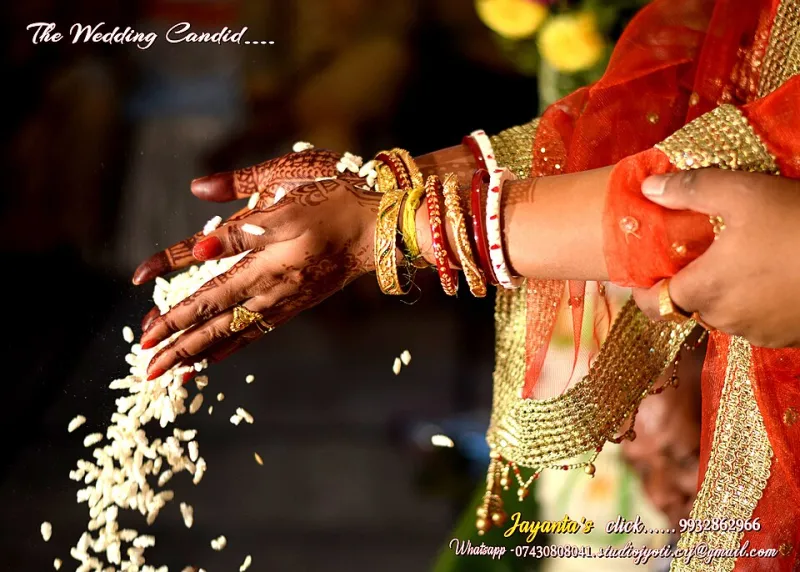
Photo: Jayanta Roy Chowdhury, CC BY-SA 3.0, via Wikimedia Commons
I shot a three-day conference this fall with one camera and one lens. No zoom, no backup body slung over my shoulder, no waist pack full of alternatives. Just a 35mm f/1.4, a spare battery, and a habit of moving my feet. By the closing reception, I had a gallery that felt more like a single story than a pile of random frames. That is not a gear ad. It is the result of giving myself fewer decisions to make while the room kept moving.
The Bag Problem
Most event photographers carry a zoom because zooms are sensible. They cover the wide shot of the ballroom and the tight shot of the speaker without changing position. I get it. I own them. But a bag full of choices can slow a photographer down in ways clients never see. You start second-guessing the frame. Should this be 24mm or 70mm? Do I switch now or wait? By the time you decide, the toast is over and the bride's grandmother has already hugged everyone in the room.
A fixed lens removes that conversation. You learn what the frame looks like before you lift the camera. You stop auditioning focal lengths and start watching people. That is the trade I care about.
What a Fast Prime Actually Buys You
The practical argument is light. Hotel ballrooms, conference halls, and rented event spaces are not built for photography. They are built for HVAC systems and banquet chairs. A fast prime lets me work in dim rooms without turning every candid moment into a flash event. I can keep the shutter speed high enough to stop a handshake, let the ISO climb, and preserve the ambient glow that makes a reception feel like a reception instead of an interrogation.
There is also the look. At f/1.8 or f/2, a prime separates a person from a busy background without erasing the room. You can see the string lights and the crowd and the terrible carpet, but the face still has weight. That balance is useful for event work. Clients want to remember the room. They also want to recognize the people in it.
Anticipation Replaces Reach
When you cannot zoom, you start reading the room differently. You watch shoulders. You notice who is leaning in to hear a story and who is about to raise a glass. You find the two or three places in a space where the light is decent and the traffic is good, and you camp there until the moment comes to you.
At a conference, that might mean standing near the coffee station during a break instead of patrolling every hallway. At a reception, it might mean parking near the bar for ten minutes, then moving to the edge of the dance floor, then finding the quiet corner where the grandparents are talking. You are not chasing coverage. You are letting coverage happen in front of you.
This is the part clients rarely think about when they book an event photographer. Good coverage is not just a matter of how many pictures get taken. It is a matter of whether the photographer was in the right place when the room did something worth remembering.
Footwork Is the Zoom
A fixed lens forces you to move, and moving well is a skill. I look for lanes through a crowd before I need them. I stay near walls and edges so I can step back without backing into a server. I kneel, lean, and occasionally stand on a chair if the venue allows it and the moment justifies the risk.
At receptions, I do not orbit the room constantly. I pick a few positions and work them. Constant motion makes people self-conscious. Purposeful motion makes you invisible. The goal is to be close enough for the frame but not so close that guests feel followed.
For parties, a 35mm is wide enough to show a group of friends laughing without turning them into a lineup. For conferences, it is wide enough to include the stage and a slice of audience, which is often more honest than a tight shot of a speaker's face. For receptions, it is wide enough to show the room and tight enough to isolate a toast. You are not getting every possible frame. You are getting the frames that tell the story of the room.
The Discipline of a Fixed Frame
A fixed focal length teaches composition because it refuses to bail you out. If the background is ugly, you move. If the foreground is cluttered, you step closer or change your angle. You cannot zoom past the problem. You have to solve it with your body and your eye.
That discipline carries into editing, too. A gallery shot on one lens has a consistent feel. The perspective does not jump around from frame to frame. When a client scrolls through the images, the event feels like one continuous experience rather than a highlight reel assembled from five different visual languages. That consistency is worth something. It makes the gallery easier to use, easier to share, and easier to remember.
Where It Falls Apart
I am not going to pretend one lens handles every event. If the program is a keynote address from the back of a 2,000-seat auditorium and I cannot get near the stage, a 35mm is the wrong tool. If the client needs tight detail shots of an award being handed over from thirty feet away, I will miss some of that. If the venue has a strict no-movement policy during a ceremony, a prime can feel like handcuffs.
In those cases, I adapt. Sometimes that means accepting a wider stage shot that includes the audience. Sometimes it means bringing a second lens for a specific window of the schedule. The point is not to be dogmatic. The point is to choose constraint on purpose, not by accident.
How I Explain It to Clients
When a client asks why I am not carrying a bigger bag, I tell them the truth: fewer lens changes mean fewer interruptions, less conspicuous coverage, and a more consistent look in the final gallery. I also tell them what it means for them. They are not paying for a photographer to fiddle with gear. They are paying for someone to watch the room and come back with the moments that matter.
A fixed lens is not a magic trick. It is a decision to pay attention. And on a long event day, attention is the most valuable thing I can bring.