The Frame That Doesn’t Ship: A Privacy Pass for Event Galleries
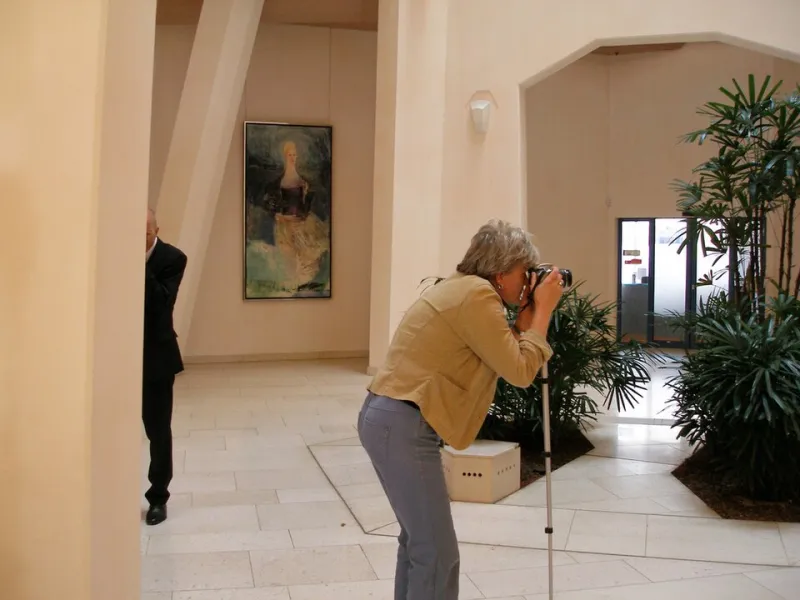
Photo: Eveline de Boer from Netherlands, CC BY-SA 2.0, via Wikimedia Commons
Event photography has two jobs. The first is obvious: show up, read the room, and make good frames. The second job starts after the last dance and before the gallery link goes out. That’s where you decide not just what looks good, but what belongs in public. I call it a privacy pass, and it has saved me more headaches than any lens I own.
Most clients don’t ask for this. They ask for the photos. But a gallery is a publication, not a camera roll. Once it’s online, people screenshot, forward, and search. A frame that was funny in the moment can become a problem in a workplace, a family, or a school group. So I treat every event gallery like it’s going out under my name, because it is.
The gallery is a publication, not a camera roll
Here in the States, we tend to think of event photos as souvenirs. But corporate parties, school fundraisers, and community events all involve people who didn’t hire you and may not know where the images will land. That doesn’t mean you need a legal team for every birthday party. It means you need a repeatable review process and the willingness to leave a few good frames out.
My rule is simple: technical quality gets a photo into the edit. Social safety gets it into the gallery. Those are different tests.
Pass one: context and consent
The first pass is about information. I’m looking for name badges, whiteboards, computer screens, sign-in sheets, medical wristbands, and anything that tells a story the subject didn’t choose to tell. Workplace events are the big one. A photo of someone at a company party is usually fine. A photo of someone at a company party with a visible performance review on a laptop in the background is not.
Minors get their own pass. If the event includes kids, I check the client’s policy before I even shoot. Does the school or venue allow photography? Do parents know images may be used publicly? If I don’t have a clear answer, I hold identifiable shots of minors out of the public gallery and deliver them through a private link. It’s not about being paranoid. It’s about not making a parent’s decision for them.
Consent is more than a signed model release. If someone clearly avoided the camera all night, I don’t make them the hero of the gallery just because the light was nice.
Pass two: vulnerability, not just scandal
The second pass is about moments. I’m not only looking for obvious trouble. I’m looking for vulnerability: someone crying, an argument at the edge of the frame, a medical moment, a wardrobe malfunction, a quiet prayer, a bad reaction to a speech. These images can be technically excellent and emotionally true. They can also be unfair.
A useful question: would the subject recognize this as a moment they meant to share? If the answer is no, it goes on the hold list. That doesn’t mean I delete it. I keep it in the archive, note why it’s held, and let the client decide if there’s a reason to revisit it.
Alcohol is its own category. I don’t automatically pull every drink photo. A toast is part of the story. But a photo that reads as “last call” rather than “celebration” gets a second look, especially at a workplace event where someone’s boss might see it before they do.
Pass three: the technical-social mismatch
This is the pass that catches the frames I love. Great light, great expression, terrible context. Maybe there’s a confidential poster behind the subject. Maybe the crop makes the photo work, but the full frame reveals something private. Maybe the image is fine, but the metadata still carries a location I don’t want to publish.
Cropping can solve some of this. It can’t solve all of it. If I have to crop out something that shouldn’t have been captured in the first place, I ask whether the photo is worth it. Sometimes the answer is yes. Often the answer is no.
Keep a hold list, not a secret pile
I use three buckets: deliver, deliver with a crop or edit, and hold for client review. The hold list is short and specific. “Frame 214 — identifiable minor, no parent release on file.” “Frame 388 — sensitive moment during speech, subject visibly upset.” “Frame 402 — badge and laptop screen visible.”
That list goes to the client with the gallery, not after a complaint. It turns a vague worry into a clear decision. It also protects me from being the only person making a judgment call in the dark.
How to talk to clients without making it weird
I keep the language calm and practical. Something like: “Before the gallery goes live, I do a privacy pass. A few strong frames are held because they show identifiable minors or sensitive moments. I’ve included a short hold list with reasons. If you want any of those released, let me know and we’ll confirm consent before I add them.”
That’s it. No lecture. No worst-case legal speech. Just a process. Most clients appreciate it because they hadn’t thought about it, and now they don’t have to.
If a client pushes back, I offer alternatives: a private link, a crop, a delayed release, or a version without name badges. What I don’t do is hand over someone else’s privacy just because the client owns the venue. A venue can hire you. It can’t consent for every person in the room.
A quick pre-delivery checklist
Before any gallery goes out, I run this in order: scan for consent and context, scan for vulnerability, scan for background information, check metadata and file names, write the hold list, and send the client a short note. For a few hundred images, it’s usually under an hour. That hour is cheaper than a single awkward phone call.
The best event galleries aren’t just well-lit. They’re edited with care. The frame you don’t ship can be the most professional thing you do all week.