What to Ask an Event Photographer Before You Sign (So You Don’t Get 300 Podium Shots)
Every event photographer has a hero frame in their portfolio: the packed ballroom, the speaker mid-gesture, the award winner caught in a warm pool of light. What that portfolio rarely shows is the other 700 frames. Some are great. Some are fine. A few are the reason clients end up with a gallery full of name tags, podium shots, and logo tables instead of photos that tell the story of the room.
If you are booking event coverage for a company, association, nonprofit, or conference in the US, the smartest thing you can do is ask better questions before you sign. Not just about price. Not just about hours. The questions that predict whether you will get a useful image library or a slideshow of lanyards.
Start with the Monday-morning test
Before you talk to any photographer, ask your own team one question: what will we need on Monday? A website refresh? LinkedIn posts? A sponsor recap? A press release? An internal newsletter? Maybe a year-end report or a sales deck.
Tell the photographer that list. The best event coverage is not a photo diary of the day. It is an asset library for the next six months. A photographer who understands that will shoot differently. They will look for clean horizontal frames for headers, verticals for social, detail shots that suggest scale, and candid moments that show real people having real conversations.
If a photographer cannot talk comfortably about how the images will be used after the event, that is your first clue.
Usage rights, in plain English
This is the question clients skip most often, and it causes the most friction later. Ask who can use the photos, where they can be used, and for how long. For a corporate event, you probably need internal use, website use, social media, email marketing, and maybe paid ads. You may also need sponsor or partner use. Get that in writing.
Ask specifically about unlimited internal use, external marketing, paid media, third-party partner use, and whether photo credit is required. If the photographer says we will figure it out later, figure it out now. A clear license is not a legal luxury. It is part of the deliverable.
Delivery timeline that matches your calendar
A beautiful gallery that arrives after your thank-you emails have gone out is not much help. Ask when you will see selects, when the final gallery lands, how revisions work, and whether same-day or next-day previews are available.
If you have a gala on Saturday and a donor email on Monday, say so. If you have a trade show with daily social needs, say so. Ask about rush fees, file formats, resolution, and how the gallery is delivered. Do not accept a vague few weeks if your communications calendar has actual deadlines.
Low-light experience is the real audition
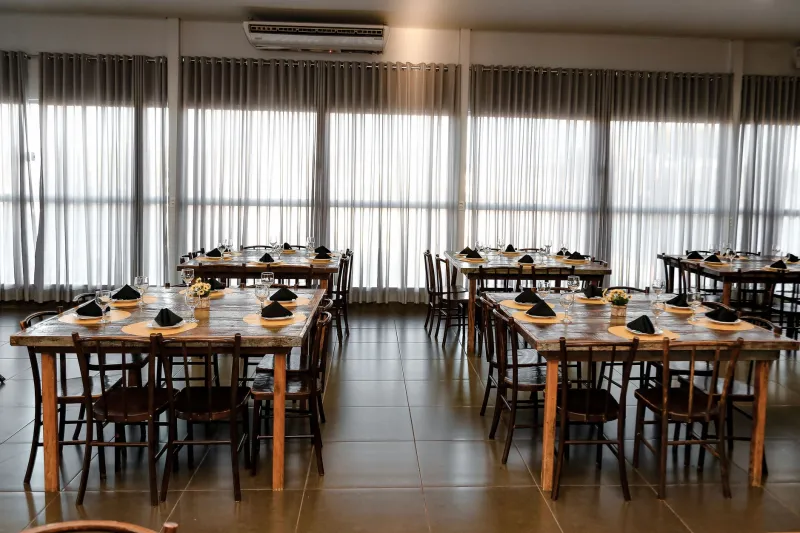
Ballrooms, conference halls, evening receptions, and trade show floors are not easy places to photograph. Ask to see full galleries from similar lighting conditions, not just the highlight reel. Look for clean color, readable faces, and backgrounds that are not a blown-out mess.
Ask how the photographer handles flash, ambient light, and mixed color temperature. Ask about backup gear and whether they scout the venue. If their portfolio is all golden-hour outdoor portraits, that is lovely work, but it may not be the right fit for a hotel ballroom with bad chandeliers and a dance floor.
Candid versus staged: set the ratio
Most organizations need a mix. Some formal shots matter: board members, sponsors, award winners, the group photo. But if those are the only frames, the gallery will feel stiff and forgettable.
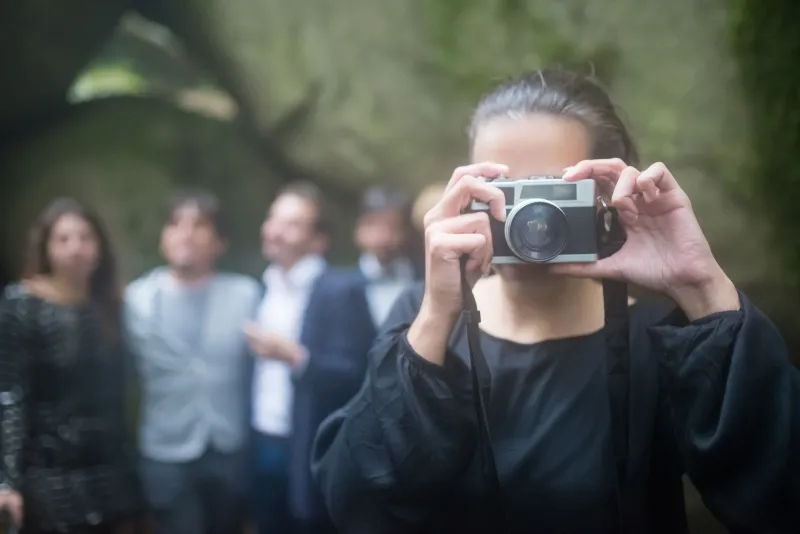
Ask how the photographer works candidly without being intrusive. Ask how they handle VIPs, sensitive moments, and people who do not want to be photographed. Then brief them on the balance you want. Maybe you need 20 percent posed and 80 percent candid. Maybe it is the other way around. The number matters less than the conversation.
Brief the moments that matter, not every handshake
A photographer cannot read your organization’s mind. Give them a run-of-show, a list of key people, and three to five moments you genuinely care about. Arrival energy. The first look at an exhibit. A small huddle in the hallway. The reaction during the award announcement. A quiet conversation between two people who rarely get time together.
Also give them a do-not-photograph list if needed. Mark sensitive areas. Name a point person for the day. Keep the brief short. A two-page document with clear priorities beats a ten-page shot list that turns the photographer into a name-tag collector.
The contract details that predict a useful gallery
Ask about liability insurance, backup equipment, backup photographers, image storage, and data handling. Ask whether they have worked your venue or similar events. Confirm the number of photographers, hours, breaks, meals, and travel fees. Clarify the editing style and how many final images you should expect.
This part is boring, but it predicts a smooth day. A photographer who is organized before the event is usually organized after it.
The bottom line
Hire for the photos you need on Monday, not just the slideshow you want on Friday. Ask about usage, delivery, low-light experience, candid balance, and the moments that matter. A good photographer will welcome those questions. If someone dodges the basics or cannot show you a full gallery from a similar event, keep looking.
The right coverage should feel like a record of the room, not a tribute to the registration table.