Walk In Early, Read the Room: A Quick Light Map for Event Days
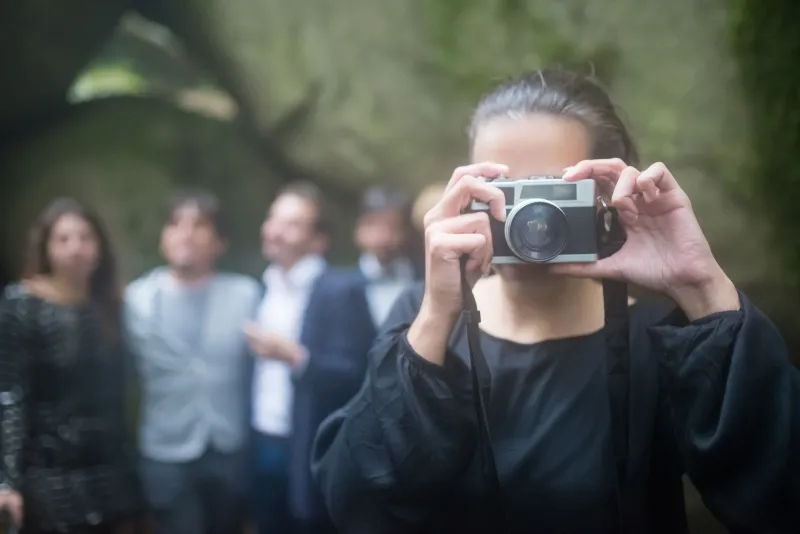
Most event photographers have a version of this moment: you arrive at the venue with cases still in the car, the planner is taping a sign to a table, and the first guests are maybe forty minutes out. The temptation is to start hauling gear. The better move is to leave the bags by the door and take a five-minute walk. Not a gear check. Not a creative meditation. A light map.
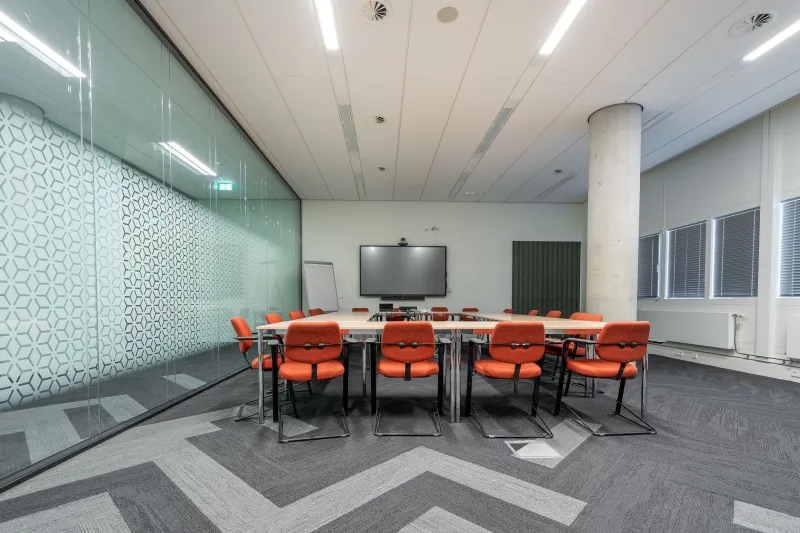
I do this at weddings, corporate parties, community fundraisers, and the occasional bar mitzvah. The rooms are different, but the questions are the same: where is the light coming from, how high is the ceiling, what color is the room pretending to be, and where will flash actually help instead of flatten everything? Five minutes is enough to answer those if you move with purpose.
Minute One: Stand Still at the Door
Before I unpack, I stand at the main entrance and look up, then across, then down. Up tells me ceiling height and fixture type. Across tells me where the windows are and which way they face. Down tells me floor color, which matters more than people think because a dark floor eats light and a pale one throws it back. I also listen. Is the HVAC loud? Is there a DJ testing a subwoofer? Is the room already humming with the kind of ambient noise that will make direction to guests harder later? This is not about being precious. It is about knowing what the room will do before it fills up.
Minute Two: Trace the Windows
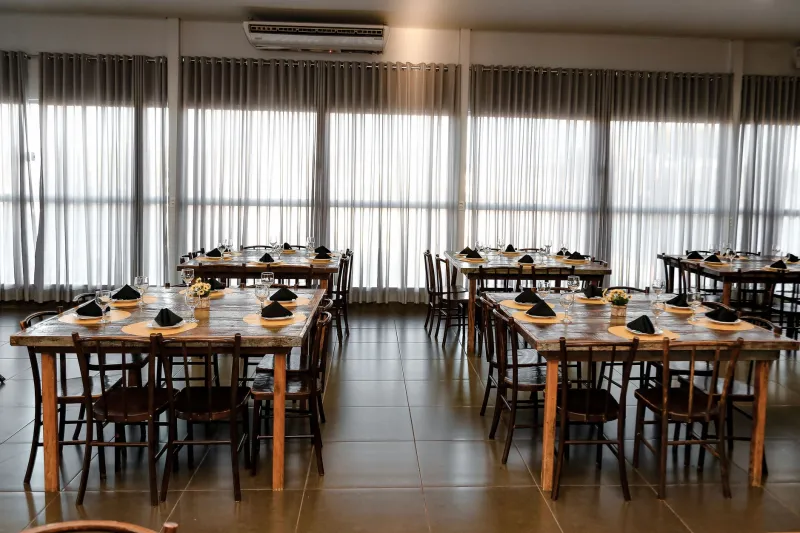
I walk the perimeter and put my hand up near each window. If sunlight is hitting my palm, that is a hard-light zone. If the window is bright but soft, that is a portrait pocket. If the window is covered by a heavy drape, I note whether the drape can open. Direction matters: east-facing glass does something different in the morning than west-facing glass does late in the day. I am not doing astronomy. I just want to know where the light will be strong, where it will fall off, and where a ceremony or toast might turn into a silhouette by accident. I mark two or three spots on my phone map: good ambient portrait, risky backlight, safe fallback.
Minute Three: Name the Color Mix
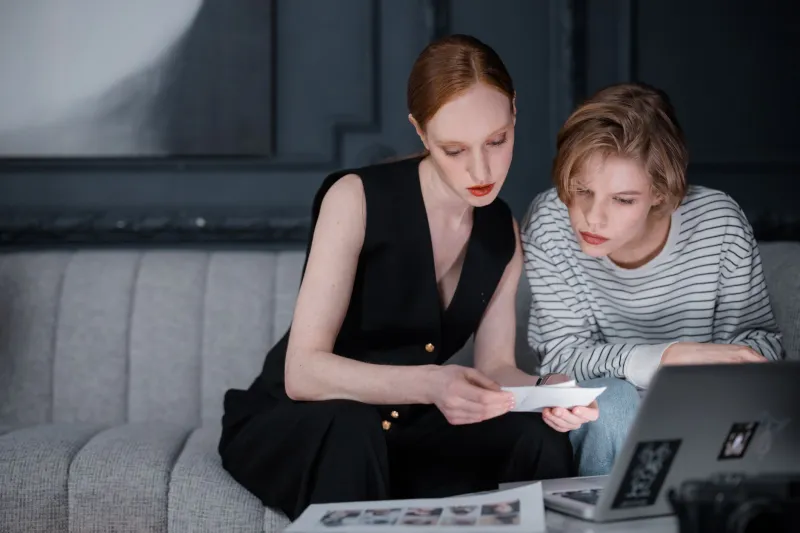
Most venues are not one color temperature. They are a committee meeting of tungsten sconces, cool LED chandeliers, a window full of daylight, and maybe an uplight on the wall that is doing a purple thing. I look at a white napkin or a piece of printer paper and ask: does it read warm, cool, green, or neutral? I do not need a color meter to notice a problem. I need to know whether I should set a custom white balance, gel a flash, or simply avoid mixing the window and the chandelier in the same frame. I write down the mix in plain language: warm chandelier, cool window, green fluorescents in the hallway. That note saves me from guessing later.
Minute Four: Find the Flash Frames
Flash is not a moral failing, but it is not a universal fix either. I look for places where a little added light will separate people from a dark wall, open up a backlit toast, or freeze a first dance without turning the room into a cafeteria. High ceilings with white surfaces can be friendly to bounce if the angle works. Low dark ceilings are not. I test one frame with a nearby object, or with my own hand if no one is around, and I check the falloff. Then I pick two or three positions where I could stand later: near the bar, by the DJ, at the edge of the dance floor. I am not building a studio. I am giving myself options.
Minute Five: Make the Map and Talk to the Room
My map is not a work of art. It is a rough sketch on my phone: windows, doors, outlets, the bar, the cake table, the spot where the planner will probably make announcements. I label the light zones and the flash positions. Then I find the planner or venue contact and say something like: I am going to walk the room for a few minutes and take a couple of test frames. Is there anything that changes before doors, like lighting cues, dimmers, or a program? That question does two things. It gets me useful information, and it tells the venue I am paying attention without making them manage me. If the room has a lighting designer or AV tech, I ask the same thing. Most people are happy to explain their room.
The Scout Is a Conversation Starter
Five minutes will not solve every lighting problem. A tent at noon and a hotel ballroom at midnight are different animals. But the scout gives me a baseline, and it gives me language. Instead of saying the light is bad, I can say the window is blowing out the head table and I will shoot from the left. Instead of hoping flash works, I can say I will bounce off the ceiling near the bar and stay off the dance floor for the first song. That kind of specificity makes everyone calmer. It also makes the pictures better, because I am not spending the first thirty minutes of the event figuring out the room while the room is already happening.