Dress for the Light, Not the Mirror: A Portrait Wardrobe Sit-Down
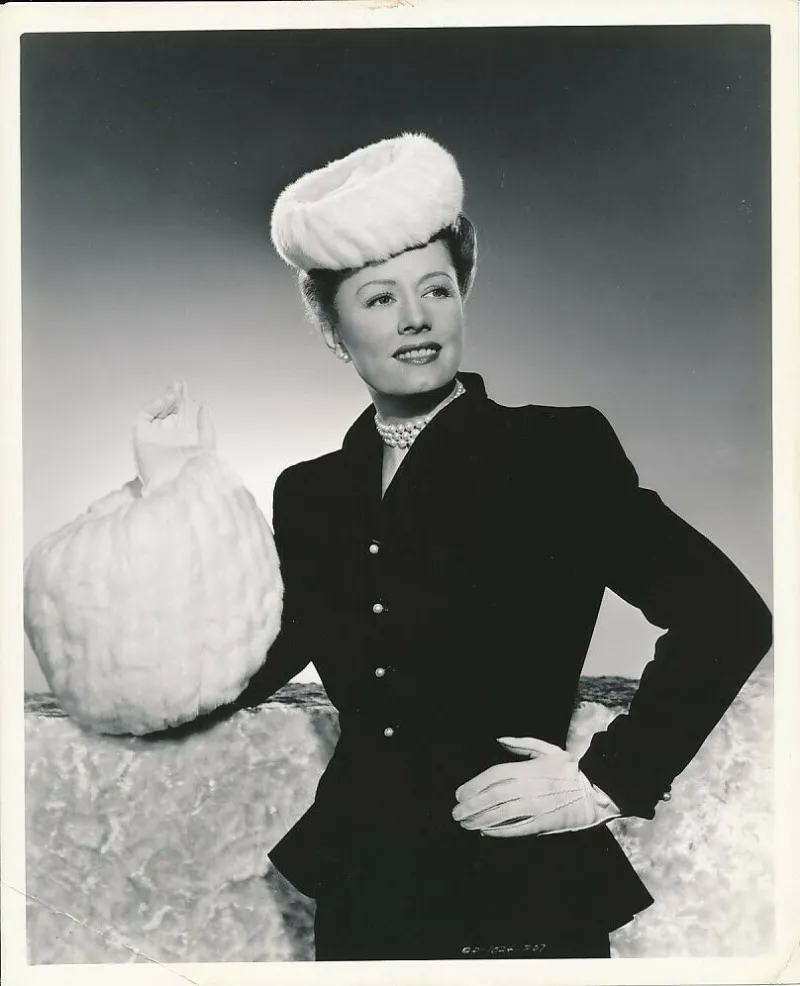
Photo: Ned Scott, Public domain, via Wikimedia Commons
Every portrait session starts with the same question, usually by text, usually with a little panic behind it: What should I wear? It is a fair question. It is also, on its own, the wrong one. The outfit does not exist in a vacuum. It has to work with the light, the location, the way you sit, and the way you feel when you are not thinking about the camera. So I stopped answering with a list of do-nots. I started having a different conversation.
Start With the Room, Not the Closet
Before we talk about a single garment, I ask where we are shooting and when. A soft window-lit studio and a windy rooftop at golden hour are two different wardrobes. Dark clothing disappears against a dark backdrop; a busy print can vibrate against a brick wall. Texture helps. A chunky knit or a linen shirt catches light in a way flat cotton does not. So I ask clients to bring options, not a final answer. Two or three tops, a layer, a backup. We look at them in the actual light. That five-minute test beats any style guide I could email.
Texture Beats Trend
Trends are fine. They are also not the point. In a photograph, texture reads as depth. Denim, corduroy, ribbed knits, silk, wool, a crisp oxford — these give the camera something to describe. Large-scale patterns can work; tiny checks and fine stripes can shimmer in a way that distracts. Logos and graphics pull the eye away from the face. I am not anti-fun. I am pro-face. If a client loves a bold piece, we build around it and keep everything else quiet.
Necklines Frame the Face
A neckline is not a rule; it is a frame. A V-neck, scoop, crew, or collar all change where the eye lands. The right one is the one the client does not fuss with. If they are tugging at a strapless top or adjusting a stiff collar every thirty seconds, the photo will show the adjustment, not the person. I ask them to bring the neckline they already reach for on a good day. Jewelry stays simple for the same reason: it should finish the frame, not fight it.
Color Is a Relationship, Not a Verdict
I do not tell people to avoid black or wear more blue. Color is about relationship — to skin tone, to the background, to the other people in a family frame. Earth tones and jewel tones are forgiving in most US outdoor settings. Neon can bounce color onto the face. All-black can lose shape in low light. But these are starting points, not laws. The practical move is to bring two or three colors and let me see them against the location. Nine times out of ten, the client picks the one they already felt best in, and that is the one that photographs best too.
Movement and Comfort Are Technical Concerns
This is the part people skip. Can you sit in it? Can you raise your arms? Can you walk half a block without thinking about your shoes? A portrait session is not a runway; it is a low-key physical activity. Anything that requires constant readjustment becomes a distraction. I tell clients to test the outfit at home — sit, stand, hug someone, cross their arms. If it fails the hug test, it stays home. Bring a backup. Bring a steamer or a lint roller. Bring water. None of that is glamorous. All of it helps.
The Short Checklist I Actually Send
I keep this plain and US-friendly: two or three top options, one layer, solids and textures you already like, a neckline that feels like you, pants or a skirt you can sit in, shoes you can walk in, minimal logos, a backup outfit, and a lint roller. That is it. No color wheel. No body-type flowchart. The checklist is there to lower the temperature, not to turn the session into a fashion rulebook.
Three Phrases I Have Retired
First: Just wear something comfortable. It sounds kind, but it is too vague. Comfortable sweatpants are comfortable and photograph like a nap. Better: Bring the comfortable thing you would wear to a nice dinner.
Second: Avoid patterns. Too broad. Large-scale patterns can be great. Fine stripes and tiny checks can cause camera shimmer. Better: Bring one solid and one pattern, and we will see which holds up in the light.
Third: Black is always safe. Black is safe for the wearer, not always for the photograph. In low light it can go flat and lose detail. Better: Black works if we add texture or a layer so it does not read as a silhouette.
The Point of the Conversation
The goal is not to dress anyone into a different person. It is to remove the small frictions that pull attention away from a face. When a client stops thinking about their hemline, they start looking like themselves. That is the portrait. The wardrobe talk is just the warm-up.